What is STD?
STDs is acronmy for "sexually transmitted disease" that are spread by having sex with someone from sexual activity that involves the mouth, anus, vagina or penis.
Most common STDs are:
-Genital Herpes
-Human Papilloma Virus/Genital Warts
-Hepatitis B
-Chlamydia
-Syphilis
-Gonorrhea
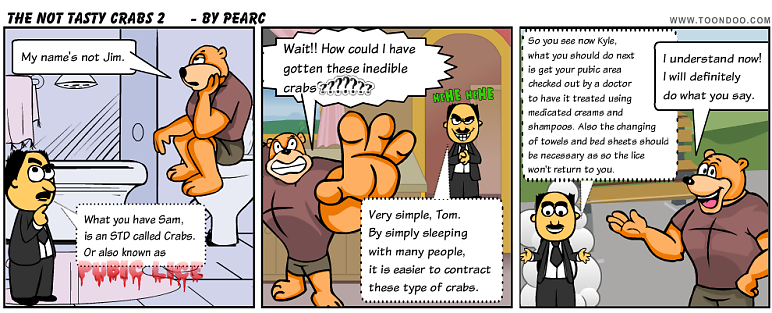
*BUT We will be covering Pubic Lice/Crabs as our primary topic!
What do Pubic Lice/Crabs Look Like?
Pubic lice have forms: the egg (also called a nit), the nymph, and the adult.
Nit: Nits are lice eggs. They can be hard to see and
are found firmly attached to the hair shaft. They are oval and
usually yellow to white. Pubic lice nits take about 6-10 days to
hatch.
Nymph: The nymph is an immature louse that hatches
from the nit (egg). A nymph looks like an adult pubic louse but it is
smaller. Pubic lice nymphs take about 2-3 weeks after hatching to
mature into adults capable of reproducing. To live, a nymph must feed
on blood.
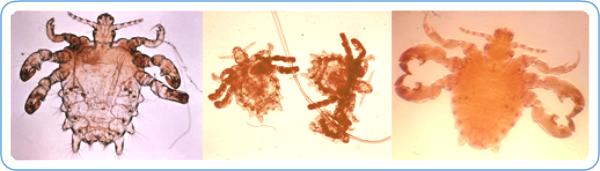
Adult: The adult pubic louse resembles a miniature
crab when viewed through a strong magnifying glass. Pubic lice have
six legs; their two front legs are very large and look like the
pincher claws of a crab. This is how they got the nickname "crabs."
Pubic lice are tan to grayish-white in color. Females lay nits and are
usually larger than males. To live, lice must feed on blood. If the
louse falls off a person, it dies within 1-2 days. Adult pubic lice are 1.1-1.8 mm in length.
What are symptoms of Pubic Lice/Crabs?
Sometimes, there are no symptoms of STDs. If symptoms are present, they may include one or more of the following:
- Bumps, sores, or warts near the mouth, anus, penis, or vagina.
- Swelling or redness near the penis or vagina.
- Skin rash.
- Painful urination.
- Weight loss, loose stools, night sweats.
- Aches, pains, fever, and chills.
- Yellowing of the skin (jaundice).
- Discharge from the penis or vagina. (Vaginal discharge may have an odor.)
- Bleeding from the vagina other than during a monthly period.
- Painful sex.
- Severe itching near the penis or vagina.
How Are Pubic Lice Spread?
Occasionally, pubic lice may be spread by close personal contact or
contact with articles such as clothing, bed linens, or towels that
have been used by an infested person.
*A common misconception is that
pubic lice are spread easily by sitting on a toilet seat. This would
be extremely rare because lice cannot live long away from a warm human
body and they do not have feet designed to hold onto or walk on
smooth surfaces such as toilet seats.
How Can I Know If I Have Pubic Lice?
The itching can be very uncomfortable, and it's easy to transmit pubic
lice to others.
The female louse survives an average of 25 to 30 days
and each can lay 20 to 30 eggs. Lice can also live away from the body
for 1 to 2 days. So it's important to get properly diagnosed and
treated, or it can take a while to get rid of them.
Average adult pubic lice are 1.1-1.8 mm in length.
Pubic lice can be large enough to be seen with the naked eye, a magnifying lens may be necessary to find lice or eggs.