Prevention
How can it be treated?
The following are steps that can be taken to help prevent and control the spread of pubic ("crab") lice:
- All sexual contacts of the infested person should be examined. All those who are infested should be treated.
- Sexual contact between the infested person(s)s and their sexual partner(s) should be avoided until all have been examined, treated as necessary, and reevaluated to rule out persistent infestation.
- Machine wash and dry clothing worn and bedding used by the infested person in the hot water (at least 130°F) laundry cycle and the high heat drying cycle. Clothing and items that are not washable can be dry-cleaned OR sealed in a plastic bag and stored for 2 weeks.
- Do not share clothing, bedding, and towels used by an infested person.
- Do not use fumigant sprays or fogs; they are not necessary to control pubic ("crab") lice and can be toxic if inhaled or absorbed through the skin.
- See a doctor or gynecologist right away. The important thing to remember is that the treatment you use may need to be repeated after 7 to 10 days to kill any lice you didn't get the first time.
Here are some basic steps that you can take to protect yourself from STDs:
- Consider that not having sex or sexual relations (abstinence) is the only sure way to prevent STDs.
- Use a latex condom every time you have sex. (If you use a lubricant, make sure it is water-based.)
- Limit your number of sexual partners. The more partners you have, the more likely you are to catch an STD.
- Practice monogamy. This means having sex with only one person. That person must also have sex with only you to reduce your risk.
- Choose your sex partners with care. Don't have sex with someone whom you suspect may have an STD. However, keep in mind that you can't always tell by looking if your partner has an STD.
- Get checked for STDs. Don't risk giving the infection to someone else.
- Don't use alcohol or drugs before you have sex. You may be less likely to use a condom if you are drunk or high.
- Know the signs and symptoms of STDs. Look for them in yourself and your sex partners.
- Learn about STDs. The more you know, the better you can protect yourself.
Treatments
Where you could get help?
(1) Pharmacy/Local Drug Store
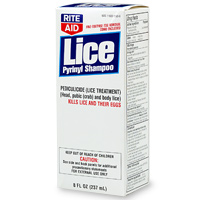
- A lice-killing lotion containing 1% permethrin or a mousse containing pyrethrins and piperonyl butoxide can be used to treat pubic ("crab") lice. These products are available over-the-counter without a prescription at a local drug store or pharmacy. These medications are safe and effective when used exactly according to the instructions in the package or on the label.
- Lindane shampoo is a prescription medication that can kill lice and lice eggs. However, lindane is not recommended as a first-line therapy. Lindane can be toxic to the brain and other parts of the nervous system; its use should be restricted to patients who have failed treatment with or cannot tolerate other medications that pose less risk. Lindane should not be used to treat premature infants, persons with a seizure disorder, women who are pregnant or breast-feeding, persons who have very irritated skin or sores where the lindane will be applied, infants, children, the elderly, and persons who weigh less than 110 pounds.
- Malathion* lotion 0.5% (Ovide*) is a prescription medication that can kill lice and some lice eggs; however, malathion lotion (Ovide*) currently has not been approved by the U.S. Food and Drug Administration (FDA) for treatment of pubic ("crab") lice.
- Ivermectin has been used successfully to treat lice; however, ivermectin currently has not been approved by the U.S. Food and Drug Administration (FDA) for treatment of lice.
How to Treat Pubic Lice Infestations at Home?
- Wash the infested area; towel dry.
- Carefully follow the instructions in the package or on the label. Thoroughly saturate the pubic hair and other infested areas with lice medication. Leave medication on hair for the time recommended in the instructions. After waiting the recommended time, remove the medication by following carefully the instructions on the label or in the box.
- Following treatment, most nits will still be attached to hair shafts. Nits may be removed with fingernails or by using a fine-toothed comb.
- Put on clean underwear and clothing after treatment.
- To kill any lice or nits remaining on clothing, towels, or bedding, machine-wash and machine-dry those items that the infested person used during the 2-3 days before treatment. Use hot water (at least 130°F) and the hot dryer cycle.
- Items that cannot be laundered can be dry-cleaned or stored in a sealed plastic bag for 2 weeks.
- All sex partners from within the previous month should be informed that they are at risk for infestation and should be treated.
- Persons should avoid sexual contact with their sex partner(s) until both they and their partners have been successfully treated and reevaluated to rule out persistent infestation.
- Repeat treatment in 9-10 days if live lice are still found.
- Persons with pubic lice should be evaluated for other sexually transmitted diseases (STDs).